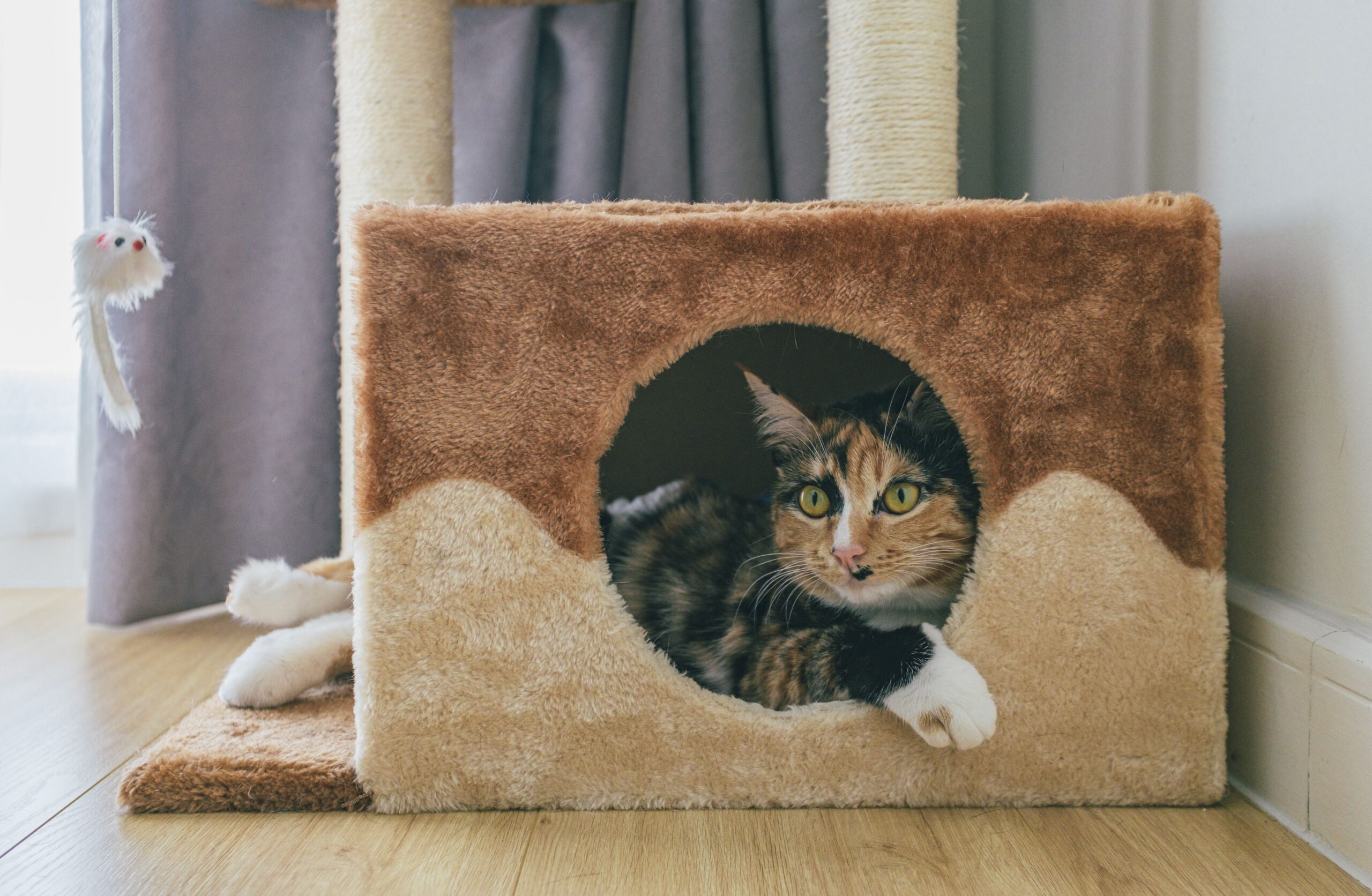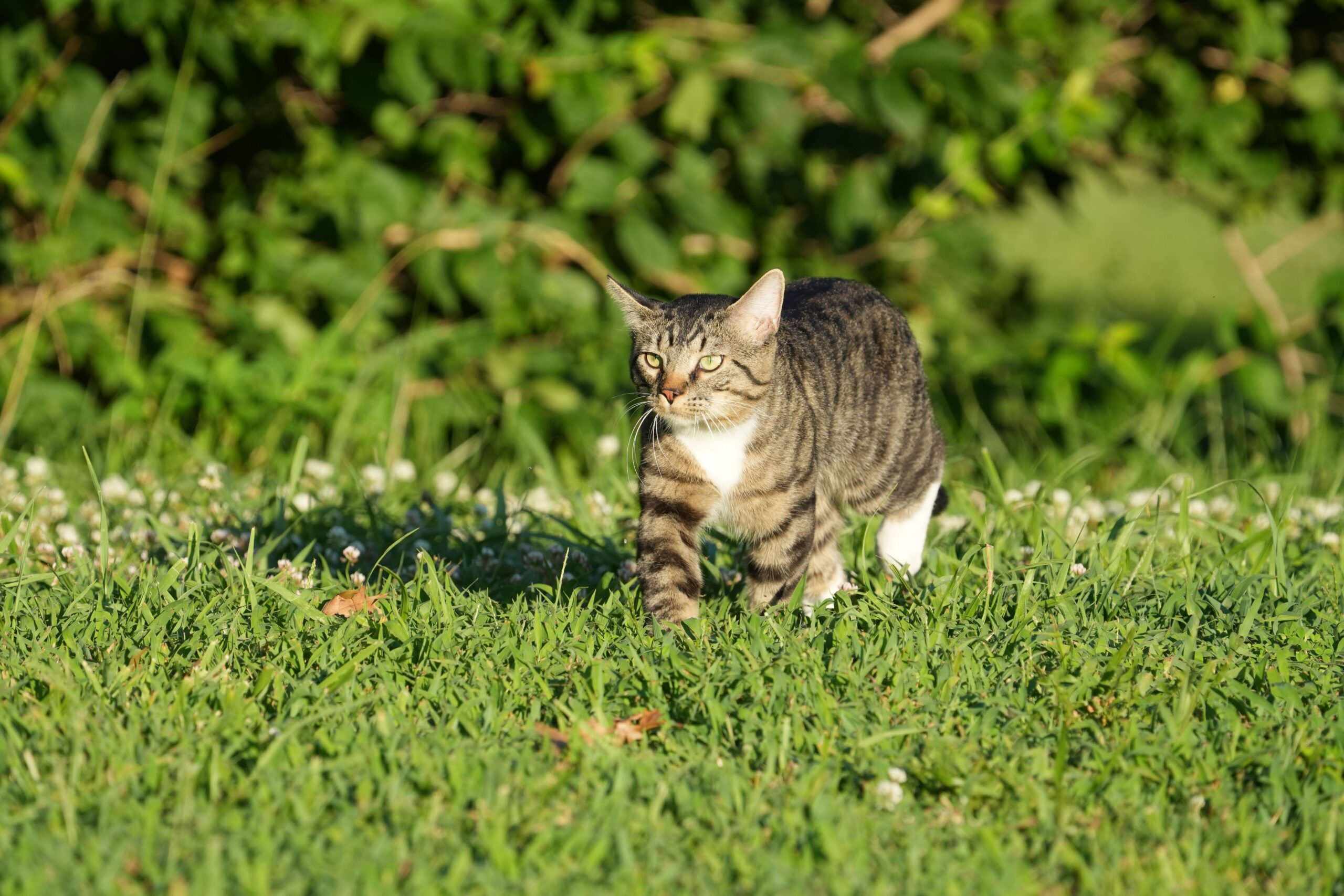
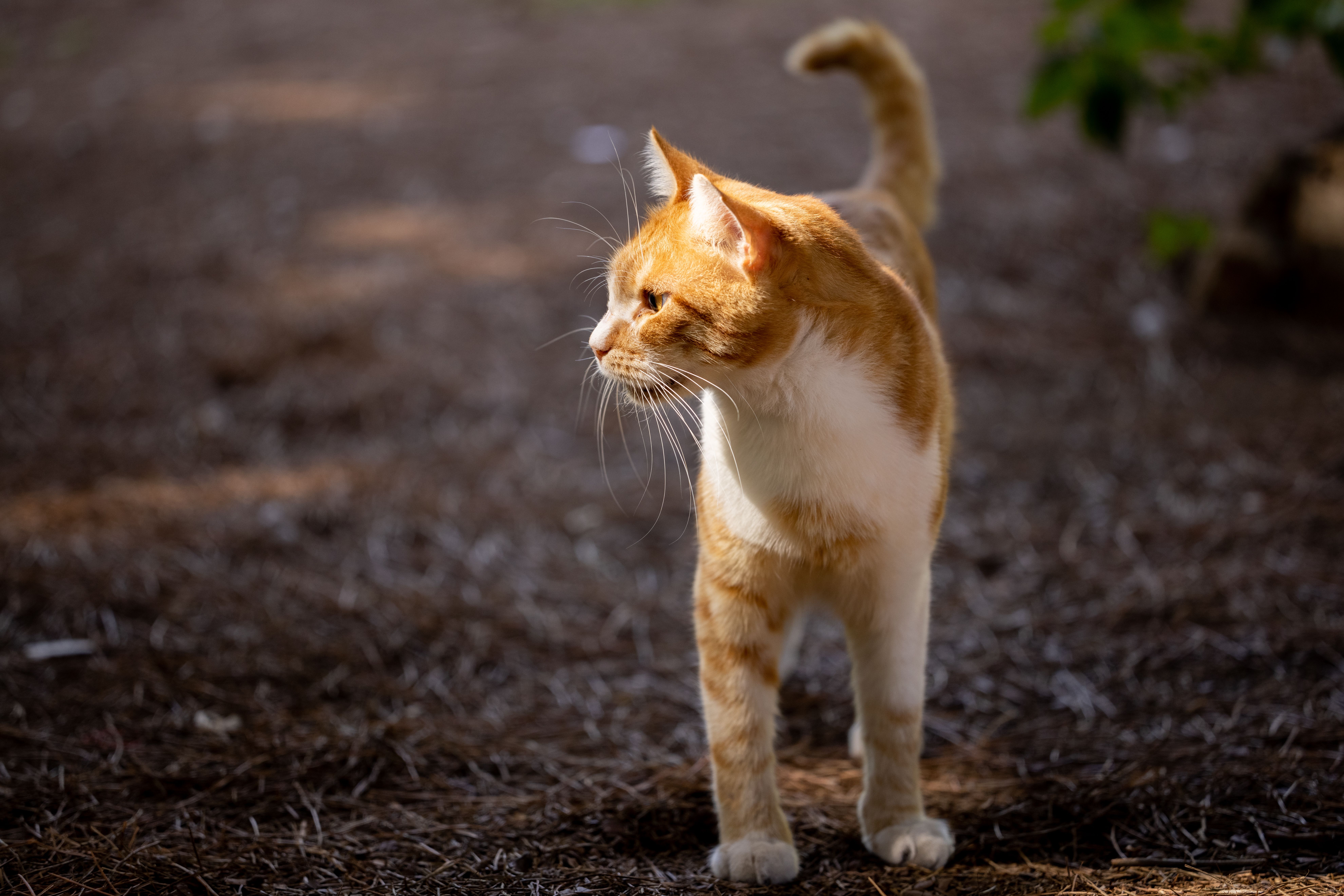
Start in the Neighborhood
You spot a cat trotting down the sidewalk, or a dog with no collar and a worried look. Every instinct says to scoop them up and get them somewhere safe. For decades, the standard advice was to take them straight to the shelter.
Animal welfare organizations have changed that advice, and the reason is simple: the shelter can be the hardest place for a family to find their pet. Here’s what we suggest instead, for cats and dogs alike.
Why the Neighborhood Comes First
Most lost pets are found close to home, according to Best Friends Animal Society. Neighbors who try to get a pet home directly give that pet better odds than a shelter that may be far away with limited hours, and a pet who stays out of the shelter avoids stress and exposure to illness.
The numbers vary by community, but they point the same direction:
- Nationally, about 37% of lost dogs and 5% of lost cats who end up in a shelter or rescue make it back to their families, based on 2018 Shelter Animals Count data reported by Humane World for Animals.
- A City of Seattle shelter reports a typical reclaim rate of 17% for pets brought in, compared with 70% for pets kept safe in the neighborhood where they were found (The Scoop, City of Seattle).
- Nebraska Humane Society says that urging neighbors and officers to knock on doors and post online before bringing pets in raised its reunification rate from 17% to 50% in a year (Best Friends).
For dogs, distance matters too. The director of Pima Animal Care Center in Arizona reports that 63% of lost dogs there are found less than a mile from home, and 16% less than 400 feet away (Hoodline).
None of this means shelters aren’t essential. Best Friends describes the shelter as a safety net for pets who need immediate help, not the first stop for every pet found outside.
Is That Cat Really Lost?
This matters most for cats, because a cat outdoors isn’t always a cat in need. The cat might be an owned pet who is allowed to roam, a lost pet, an abandoned pet, or a Community Cat looked after by people in the neighborhood. A few clues help you tell which:
- Collar: A collar usually means a pet who lives nearby or is lost. Check for an ID tag.
- Ear tip: A missing tip on one ear means a community cat who has been spayed or neutered. If the cat is also in good body condition, someone nearby is likely caring for them.
- Body condition: A healthy-looking cat who only drops by now and then is probably being fed somewhere else.
- Behavior: Friendly cats are more likely to be pets, and unsocialized cats are more likely to be Community Cats, but neither is a guarantee.
If the cat looks like a Community Cat, the kindest move is often to leave them where they are. If they haven’t been fixed, trap-neuter-vaccinate-return (TNVR) is the way to help, and you can read more on our community cats and TNVR page. If a cat looks sick or hurt, get them to a vet.
What To Do, Step by Step
Whether you’ve found a cat or a dog, this order works well.
- Check for ID and take photos. Look for a collar and tag first. Snap clear photos of the pet’s face and body, and note where you found them.
- Get a microchip scan. Many vets and shelters will scan for free, and Best Friends suggests calling ahead, since many shelters will scan without asking you to surrender the animal. If there’s a chip, the American Animal Hospital Association’s lookup tool (AAHA) shows which registry holds the record. It doesn’t show the owner’s information, so you or the clinic will need to contact that registry. A chip only helps if the owner registered it. Remember, a microchip is not a GPS tracker; it simply stores owner and implant facility data.
- Ask around and put up flyers. If knocking on doors feels awkward, flyers and neighborhood posts do much of the same work. Talk to neighbors and mail carriers, and post flyers near where you found the pet.
- Post online. Nextdoor and local lost and found groups on Facebook reach neighbors quickly. Petco Love Lost is a national database that uses facial recognition to match photos of found pets with lost pet reports, and PawBoost is another site for lost and found pets.
- Report the pet as found, even if you’re keeping them at home. Tell your local animal services and nearby shelters, in case the family calls looking for them. In Cobb County, that’s Cobb County Animal Services.
- For friendly cats, try a paper collar. It’s a strip of paper with your phone number and a short note asking the owner to call. Use one only on a friendly, approachable cat. Leave room for one or two fingers underneath, and skip covering it in tape so it can tear off if the cat gets caught. Then leave the cat where you found them so the owner can reach you.
- Handle unfamiliar animals with care. Even a friendly cat can lash out when frightened, so we recommend bite-resistant gloves or a borrowed humane trap rather than grabbing an unfamiliar cat. If a dog seems scared or you can’t approach safely, call animal services instead of chasing.
When the Shelter is the Right Call
Sometimes the shelter really is the right next step: the pet is sick or injured, you can’t safely keep them for a few days, or your search hasn’t turned up an owner. Some shelters offer supplies to people who foster a found pet for a few days, so ask what’s available near you. If you’ve done the legwork and still haven’t found the family, we suggest asking local shelters and rescues to help get a friendly cat vetted and placed, or fostering until they have room.
A few extra steps in your own neighborhood can be the difference between a family waiting by the phone and a pet back home. Thank you for caring enough to stop.
Found Pet Resources
- Cobb County Animal Services: where to report a found pet and check lost pet reports.
- Petco Love Lost: upload a photo to report or search for a lost or found pet.
- PawBoost: another site for lost and found pet reports.
- AAHA Universal Pet Microchip Lookup: find out which registry holds a microchip record.
- Best Friends: What to do when you find a lost dog or cat: a quick guide you can share with neighbors.
Citations
- American Animal Hospital Association. (n.d.). Microchip registry lookup tool. https://www.aaha.org/for-veterinary-professionals/microchip-registry-lookup-tool-aaha-find-your-pets-microchip-registry/
- Best Friends Animal Society. (2025, September 3). A better way to reunite lost pets with their people. https://bestfriends.org/stories/best-friends-magazine/better-way-reunite-lost-pets-their-people
- Best Friends Animal Society. (n.d.). What to do when you find a lost dog or cat. https://bestfriends.org/how-you-can-help/when-you-find-lost-dog-or-cat
- City of Seattle. (2022, June 2). Outdoor cats should stay close to home. The Scoop. https://thescoop.seattle.gov/2022/06/02/outdoor-cats-should-stay-close-to-home/
- Falconer, J. (2020). Face value: Applying facial recognition technology to lost pets. Animal Sheltering, Spring 2020. https://humanepro.org/magazine/articles/face-value
- Humane World for Animals. (n.d.). What to do if you find what you think is a stray cat. https://www.humaneworld.org/en/resources/what-do-if-you-find-what-you-think
- International Cat Care. (2025, September 26). Found a cat? https://icatcare.org/articles/found-a-cat
- Wilson, S. (2024, August 9). Lost pets often found close to home, Pima County Animal Care Center advocates local searches over shelter intake. Hoodline (AI-assisted; reports a column by the center’s director). https://hoodline.com/2024/08/lost-pets-often-found-close-to-home-pima-county-animal-care-center-advocates-local-searches-over-shelter-intake/
Share this post

- Community cats, Finding cats, Pet care

goodmews